
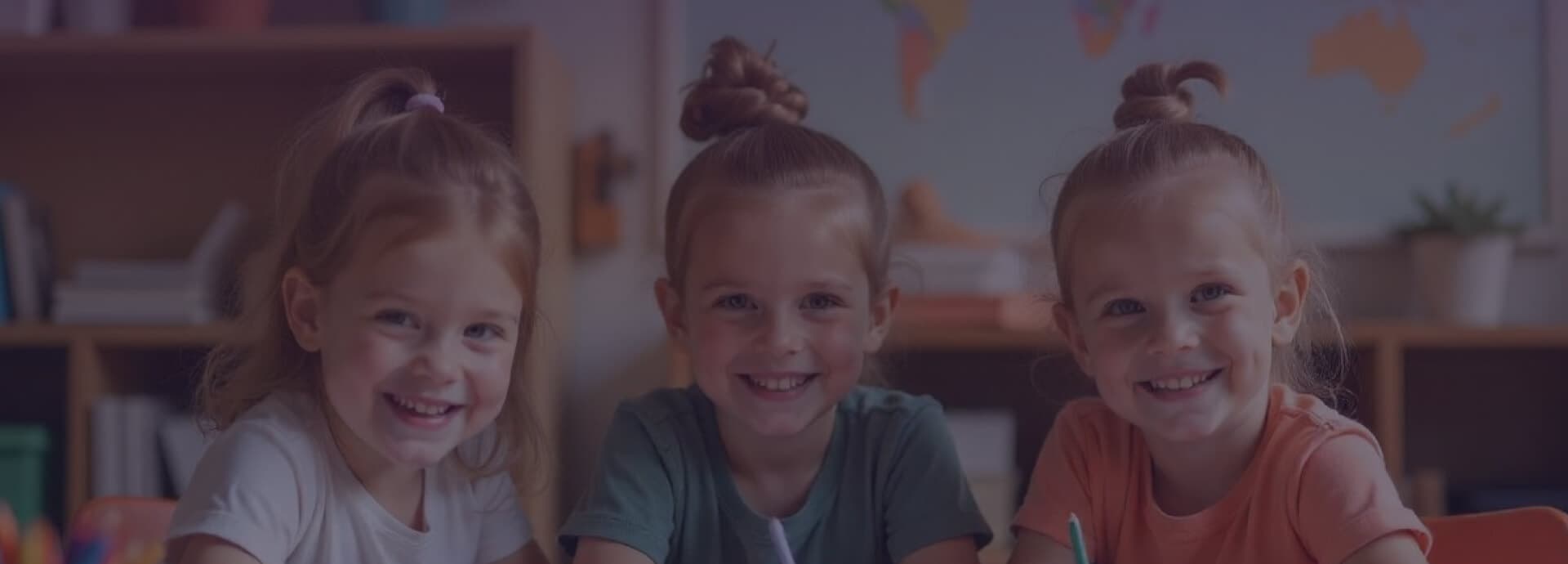
Play is one of the first ways children begin to interact with the world around them. It provides opportunities for them to connect with peers, learn cooperation, and develop friendships. Without play, children may miss out on vital lessons in communication and teamwork.
Games that involve groups, such as hide-and-seek or sports, teach children how to follow rules, take turns, and respect others. These interactions build the foundation of good social behavior, which becomes critical in school and later in life.
Conflict resolution is another skill children gain from play. Disagreements over toys or rules often occur, but they help children learn negotiation, patience, and compromise. This prepares them for real-world challenges where collaboration is essential.
Parents and teachers who encourage play are also encouraging empathy and emotional growth. Children begin to understand how others feel, how to work together, and how to value relationships. In this way, play becomes the bridge to stronger social connections.